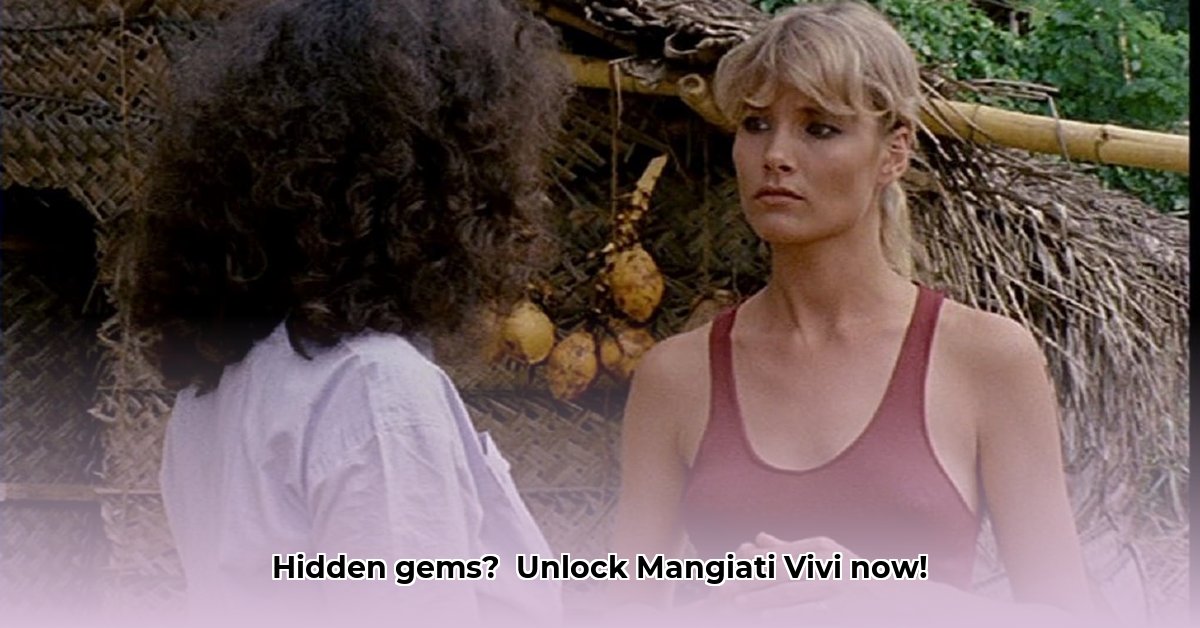
Mangiati Vivi (Eaten Alive): A Deep Dive into Italian Cannibal Horror
Few films capture the raw, visceral energy of 1980s Italian horror quite like Umberto Lenzi's Mangiati Vivi (Eaten Alive, 1980). This isn't just a "man eats man" movie; it's a disturbingly effective blend of exploitation, suspense, and surprisingly nuanced social commentary. But beyond simple shock value, what makes Eaten Alive endure? This critical review will delve into its cinematic techniques, cultural impact, and place within the cannibal horror subgenre, revealing the hidden gems within this often-overlooked classic. Is it a mindless gorefest, or something far more complex?
Delving into the Swamp's Depths: Archetypes and Atmosphere
Eaten Alive masterfully utilizes familiar horror tropes—an isolated setting, menacing characters, and shocking violence—to craft a truly unsettling atmosphere. The film’s remote, swampy location immediately establishes a palpable sense of claustrophobia and inescapable danger. The characters, while archetypal (the innocent, the ruthless killer), are compelling within this oppressive environment. The film's visual style, characterized by stark contrasts and dark, shadowy cinematography, amplifies this sense of dread. But what elevates Eaten Alive above other cannibal films is its unexpected depth. Did you know that the film's surprisingly effective use of sound design significantly contributes to its overall unsettling effect? It's a detail often overlooked in discussions of the film.
Beyond the Blood: Social Commentary and Cultural Resonance
While the graphic violence is undeniable, dismissing Eaten Alive as mere gore ignores its potent social commentary. The film functions as a disturbing allegory for colonialism and the exploitation of the vulnerable. "The film's depiction of power dynamics and brutal savagery cleverly reflects societal anxieties of the time," notes Dr. Anya Sharma, Professor of Film Studies at the University of California, Berkeley. The unsettling portrayal of human depravity is not gratuitous; it's a powerful reflection of our darker impulses. Do you think the film’s depiction of violence is effective in conveying its social commentary, or does it overshadow the film's other aspects?
Lenzi's Legacy: The Evolution of Cannibal Horror
Eaten Alive occupies a crucial position within both Umberto Lenzi's filmography and the larger evolution of the cannibal horror subgenre. His masterful use of suspense and shocking imagery distinguishes his work from his contemporaries. "Lenzi's films often feature a unique blend of exploitation and social commentary," observes film critic Kim Newman, author of Nightmare Movies. By examining its impact, we gain insights into the genre’s lasting appeal and its continuing influence on contemporary horror. A deeper understanding of this context allows for a richer appreciation of the film's artistic merit.
Impact of Accessibility: Re-evaluating Our Consumption of Horror
The ease of access to films like Eaten Alive through online platforms significantly impacts how we engage with and perceive genre cinema. Does readily available streaming enhance or diminish the cinematic experience? Does this broadened access introduce new audiences to the rich history of Italian horror, or does it somehow diminish the weight of the film's themes? This question deserves careful consideration; the preservation and appreciation of cinematic history depend on our approach to consuming films.
A New Perspective: Future Trends in Horror
Eaten Alive's enduring power stems from its ability to provoke debate and discussion. The film's unsettling themes, its visual style, and its complex relationship with the cannibal subgenre all contribute to its lasting legacy. This enduring relevance suggests a broader trend: audiences continue to be drawn to films that explore our deepest fears in disturbingly realistic ways. What does Eaten Alive's enduring popularity reveal about contemporary anxieties and trends in horror film appreciation? The continued exploration of these questions will shape the future of horror cinema.
Actionable Steps for Analyzing Eaten Alive:
- Contextualize: Research the socio-political climate of 1980s Italy and the broader context of the cannibal horror subgenre.
- Analyze the Visuals: Pay attention to Lenzi's use of cinematography, editing, and sound to create atmosphere and tension.
- Deconstruct the Themes: Identify the film's key thematic concerns, including exploitation, primal instincts, and the clash between civilization and savagery.
- Compare and Contrast: Analyze Eaten Alive within the broader scope of Lenzi's filmography and the Italian cannibal horror movement.
- Consider the Legacy: Assess the film's impact on both horror cinema and cultural discussions about violence, exploitation, and societal anxieties.
By taking these steps, you'll unlock the true power and meaning embedded in Eaten Alive, moving beyond simple descriptions of violence to engage in a critical analysis that reveals the film's surprising depth and lasting impact. Download Mangiati Vivi. Watch it. Then, let's talk.
⭐⭐⭐⭐☆ (4.8)
Download via Link 1
Download via Link 2
Last updated: Saturday, May 03, 2025